
Introductory Course in Cognitive Behavioral Therapy for Insomnia (CBT-I)
Friday-Sunday, May 1-3, 2026
The University of Arizona Sleep and Health Research Program will host a workshop entitled Introductory Course in Cognitive Behavioral Therapy for Insomnia (CBTI) on May 1-3, 2026 (Friday-Sunday).
Are you interested in getting CERTIFIED in CBT-I? This course can be used towards CBT-I certification as part of our accredited training program.
Jump to: Objectives | Presenters |Agenda | Location | CE Credits | Fees | Travel

AFTER YOU REGISTER: Visit the Add-Ons site for CBT-I Certification, Case Consultation Groups, Signed Books, etc.!
Learning Objectives
This workshop will provide information necessary for incorporating CBTI into your clinical practice.
The following learning needs will be addressed:
- Better understanding of the basics of sleep and circadian science, as they can be applied to insomnia patients and their treatment
- Better understanding of the etiology, pathophysiology, and models of insomnia, its development, its progression, and its treatment
- Better understanding of the signs and symptoms of sleep disorders to aid in the differential diagnosis of insomnia
- Better understanding of the rationale and concepts underlying CBTI
- Better understanding of the core techniqyes of CBT, including stimulus control and sleep restriction
- Better understanding of the additional components of CBTI, including relaxation, sleep hygiene, and cognitive therapy
Outcome Objectives: Following this activity attendees will be able to:
-
Diagnose Indomnia Disorder correctly
-
Apply behavioral and cognitive principles to the treatment of insomnia disorder
-
Treat patients with Cognitive Behavioral Therapy for Insomnia
Presenters
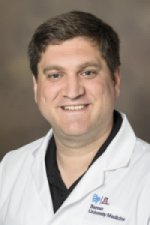 Dr. Michael Grandner is the Director of the Sleep and Health Research Program at the University of Arizona, Director of the Behavioral Sleep Medicine Clinic at the Banner-University Medical Center, Associate Professor in the Departments of Psychiatry and Medicine in the College of Medicine, Associate Professor of Psychology in the College of Science, Associate Professor of Nutritional Sciences in the College of Agricultural and Life Sciences, and Associate Professor of Clinical Translational Science. He is a licensed Psychologist and Certified in Behavioral Sleep Medicine by the American Board of Sleep Medicine and a diplomate in Behavioral Sleep Medicine by the Board of Behavioral Sleep Medicine. He directs the Behavioral Sleep Medicine Clinic. He is a member of the Sarver Heart Center, the Hispanic Center of Excellence, and a faculty member of the Graduate Inter-Disciplinary Programs in Neuroscience and Physiological Sciences. Dr. Grandner is a recognized expert in Cognitive Behaviroal Therapy for Insomnia (CBTI), having trained many students in its practice across a wide range of disciplines. He is the program director for the SBSM-accredited training program in Behavioral Sleep Medicine at the University of Arizona and supervises a graduate student externship, psychology internship rotation, BSM fellowship rotation, sleep medicine fellowship rotation, psychiatry residency rotation, and other training opportunities. More information may be found at https://www.michaelgrandner.com.
 Dr. Michael L. Perlis is the Director of the Behavioral Sleep Medicine Program at the University of Pennsylvania,
where he is also an Associate Professor of Psychiatry and Nursing. Dr. Perlis' educational efforts include the conduct of two annual CBT-I training workshops (the basic workshop
has been offered since 2005 and the advanced workshop was first offered in 2014; these courses are usually
conducted in collaboration with Donn Posner PhD ); three to six BSM Mini-Fellowships per year; a CBT-I
practica clinic; ongoing clinical research supervision and mentorship; several on-line / DVD trainings (and
related materials via the CBT-I course “gift basket”); and individual and group supervision through his program
at Penn. Note: The Basic CBT-I workshop has also been provided on request, in England, Sweden, South Africa,
Israel, Korea, Japan, Thailand, and Qatar. Dr. Perlis’ educational activities also include his service as a mentor
to over 95 trainees including 24 junior or peer faculty, 18 interns or post-doctoral fellows, 6 medical students,
12 graduate or post-masters students, and 35 undergraduates or post-baccalaureates. Dr. Perlis is internationally known for his work in the area of Behavioral Sleep Medicine (BSM). He is a
coauthor of the first text book in this field; the senior author of a published CBT-I treatment manual; and is a
co-editor of a larger text summarizing all BSM treatments. The CBT-I manual has been translated into Spanish,
Italian, Korean, and Chinese. He has published, as an author or co-author, more than 185 articles on sleep
research related topics. Finally, Dr. Perlis was one of the five organizing and founding members of the Society
of Behavioral Sleep Medicine (SBSM). He also served as the SBSM’s first president (2010-2011). In 2018, Dr.
Perlis received the Peter Hauri Career Distinguished Achievement Award. In 2019, he was nominated for the Mary A. Carskadon Outstanding Educator Award from the SRS. In 2022, he received the Champion of BSM
award from the SBSM and was inducted as a fellow of the SBSM this same year. In 2023, he received the
Samual T. Kuna Research Award from the Sleep Medicine division of the University of Pennsylvania.
Dr. Perlis’s work has been, and continues to be (Gods willing), funded by the National Institutes of Health. His grant
portfolio (past and present) as a Principal investigator is comprised of 7 R01s, 4 R21s, 1 R56, 2 K24s, and 1 R03. In
addition he has held four Pharma PI initiated grants, several foundation awards, and participated as a site investigator
on five industry initiated pharma studies. More information may be found at https://www.michaelperlis.com.
Dr. Michael L. Perlis is the Director of the Behavioral Sleep Medicine Program at the University of Pennsylvania,
where he is also an Associate Professor of Psychiatry and Nursing. Dr. Perlis' educational efforts include the conduct of two annual CBT-I training workshops (the basic workshop
has been offered since 2005 and the advanced workshop was first offered in 2014; these courses are usually
conducted in collaboration with Donn Posner PhD ); three to six BSM Mini-Fellowships per year; a CBT-I
practica clinic; ongoing clinical research supervision and mentorship; several on-line / DVD trainings (and
related materials via the CBT-I course “gift basket”); and individual and group supervision through his program
at Penn. Note: The Basic CBT-I workshop has also been provided on request, in England, Sweden, South Africa,
Israel, Korea, Japan, Thailand, and Qatar. Dr. Perlis’ educational activities also include his service as a mentor
to over 95 trainees including 24 junior or peer faculty, 18 interns or post-doctoral fellows, 6 medical students,
12 graduate or post-masters students, and 35 undergraduates or post-baccalaureates. Dr. Perlis is internationally known for his work in the area of Behavioral Sleep Medicine (BSM). He is a
coauthor of the first text book in this field; the senior author of a published CBT-I treatment manual; and is a
co-editor of a larger text summarizing all BSM treatments. The CBT-I manual has been translated into Spanish,
Italian, Korean, and Chinese. He has published, as an author or co-author, more than 185 articles on sleep
research related topics. Finally, Dr. Perlis was one of the five organizing and founding members of the Society
of Behavioral Sleep Medicine (SBSM). He also served as the SBSM’s first president (2010-2011). In 2018, Dr.
Perlis received the Peter Hauri Career Distinguished Achievement Award. In 2019, he was nominated for the Mary A. Carskadon Outstanding Educator Award from the SRS. In 2022, he received the Champion of BSM
award from the SBSM and was inducted as a fellow of the SBSM this same year. In 2023, he received the
Samual T. Kuna Research Award from the Sleep Medicine division of the University of Pennsylvania.
Dr. Perlis’s work has been, and continues to be (Gods willing), funded by the National Institutes of Health. His grant
portfolio (past and present) as a Principal investigator is comprised of 7 R01s, 4 R21s, 1 R56, 2 K24s, and 1 R03. In
addition he has held four Pharma PI initiated grants, several foundation awards, and participated as a site investigator
on five industry initiated pharma studies. More information may be found at https://www.michaelperlis.com.
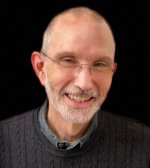 Dr. Donn PosnerDr. Donn Posner is the Founder and President of Sleepwell Consultants and has been
consulting to organizations and individuals on a wide variety of sleep health issues including
insomnia, circadian dysrhythmia, CPAP adherence, and parasomnias. He continues to
operate a small clinical practice in Behavioral Sleep Medicine and is a licensed psychologist
in California, Massachusetts, New Hampshire, Pennsylvania, and Rhode Island. He is also
currently an Adjunct Clinical Associate Professor in the Department of Psychiatry and
Behavioral Sciences at the Stanford University School of Medicine and a consulting
psychologist, for the Palo Alto VA. He is working on a number of grants exploring the effects
of CBT-I in Gulf War Veterans and Veterans with insomnia and Mild Traumatic Brain Injury.
He is also working on an R21 aimed at using CBT-I techniques to decrease fatigue in breast
cancer survivors by increasing total sleep time.
Prior to his roles at Stanford and the VA , he spent 25 years serving as the Director of
Behavioral Sleep Medicine for the Sleep Disorders Center of Lifespan Hospitals, and was a
Clinical Associate Professor in the Department of Psychiatry and Human Behavior at the
Warren Alpert School of Medicine at Brown University. For 20 of those years Dr. Posner had
served as the primary supervisor for a rotation of the Behavioral Medicine track of the clinical
psychology internship at Brown. The rotation focused on the assessment and treatment of
Sleep and Anxiety Disorders, and was one of the few rotations of its kind in the US.
Dr. Posner is one of the authors of Cognitive Behavioral Treatment of Insomnia: A Session- by-Session Guide (New York: Springer/Verlag). The book is intended for clinical trainees,
and non-insomnia sleep specialists, as well as more experienced clinicians from outside the
sleep medicine field, who wish to learn how to provide empirically validated cognitive
behavioral treatment for insomnia (CBT-I).
Dr. Posner is a member of the American Academy of Sleep Medicine and is one of the first
Certified Behavioral Sleep Medicine specialists recognized by that group. He is also a
founding member of the Society of Behavioral Sleep Medicine and he has also now achieved
the status of Diplomate with the BBSM which is the highest level of qualification and
competency they bestow.
Dr. Donn PosnerDr. Donn Posner is the Founder and President of Sleepwell Consultants and has been
consulting to organizations and individuals on a wide variety of sleep health issues including
insomnia, circadian dysrhythmia, CPAP adherence, and parasomnias. He continues to
operate a small clinical practice in Behavioral Sleep Medicine and is a licensed psychologist
in California, Massachusetts, New Hampshire, Pennsylvania, and Rhode Island. He is also
currently an Adjunct Clinical Associate Professor in the Department of Psychiatry and
Behavioral Sciences at the Stanford University School of Medicine and a consulting
psychologist, for the Palo Alto VA. He is working on a number of grants exploring the effects
of CBT-I in Gulf War Veterans and Veterans with insomnia and Mild Traumatic Brain Injury.
He is also working on an R21 aimed at using CBT-I techniques to decrease fatigue in breast
cancer survivors by increasing total sleep time.
Prior to his roles at Stanford and the VA , he spent 25 years serving as the Director of
Behavioral Sleep Medicine for the Sleep Disorders Center of Lifespan Hospitals, and was a
Clinical Associate Professor in the Department of Psychiatry and Human Behavior at the
Warren Alpert School of Medicine at Brown University. For 20 of those years Dr. Posner had
served as the primary supervisor for a rotation of the Behavioral Medicine track of the clinical
psychology internship at Brown. The rotation focused on the assessment and treatment of
Sleep and Anxiety Disorders, and was one of the few rotations of its kind in the US.
Dr. Posner is one of the authors of Cognitive Behavioral Treatment of Insomnia: A Session- by-Session Guide (New York: Springer/Verlag). The book is intended for clinical trainees,
and non-insomnia sleep specialists, as well as more experienced clinicians from outside the
sleep medicine field, who wish to learn how to provide empirically validated cognitive
behavioral treatment for insomnia (CBT-I).
Dr. Posner is a member of the American Academy of Sleep Medicine and is one of the first
Certified Behavioral Sleep Medicine specialists recognized by that group. He is also a
founding member of the Society of Behavioral Sleep Medicine and he has also now achieved
the status of Diplomate with the BBSM which is the highest level of qualification and
competency they bestow.
 Dr. Leisha Cuddihy is a licensed clinical psychologist and a board certified specialist in Behavioral Sleep Medicine. She earned doctorate in clinical psychology from the University of Arizona, completed a predoctoral internship in Behavioral Medicine at Brown University, and pursued postdoctoral fellowship training in Behavioral Sleep Medicine at the University of Michigan. She currently serves as Director of Behavioral Sleep Medicine and Assistant Professor of Psychiatry and Neurology in the Comprehensive Sleep Center at the University of Rochester, where she maintains a full-time clinical practice and provides education and consultation to medical residents and sleep medicine fellows. Dr. Cuddihy is President-Elect of the Society of Behavioral Sleep Medicine and has previously served as Chair of the Web and Communications Committee, a member of the Clinical Practice committee, and on the Board of Directors. In 2023, she received the SBSM Outstanding Leader in Altruistic Delivery of Behavioral Sleep Medicine Award.
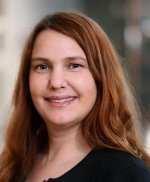 Dr. Sara Nowakowski is a distinguished clinical psychologist, researcher, and educator whose work has significantly advanced the field of behavioral sleep medicine. She serves as an Associate Professor in the Section of Health Services Research in the Department of Medicine at Baylor College of Medicine, where she combines rigorous scientific inquiry with clinical excellence to improve sleep health and patient outcomes. Dr. Nowakowski is board-certified in Behavioral Sleep Medicine and licensed as a clinical psychologist in Texas, reflecting her deep expertise in the assessment and treatment of insomnia and other sleep disorders. In addition to her academic and clinical roles, she treats patients directly at the Baylor Sleep Medicine Clinic in Houston, applying evidence-based behavioral interventions to help individuals achieve restorative sleep and enhance overall well-being. Dr. Nowakowski’s research focuses on understanding the behavioral and health consequences of sleep disturbances and developing pragmatic, effective interventions. Her work includes clinical trials of cognitive behavioral therapy for insomnia (CBT-I), studies of sleep patterns in midlife women, and investigations into how sleep affects rehabilitation outcomes after major surgery. She has authored numerous peer-reviewed publications and contributed to foundational literature in sleep medicine, demonstrating both breadth and depth in her scientific contributions. A leader in her professional community, Dr. Nowakowski served as President of the Society of Behavioral Sleep Medicine, guiding efforts to expand access to high-quality, evidence-based behavioral treatments for insomnia and advancing training standards for clinicians nationwide. Her combination of scholarly achievement, clinical expertise, and leadership commitment underscores her ongoing impact on the science and practice of sleep medicine, making her a highly respected figure in the field.
 Location
In-Person Location:
The course will be held at the Behavioral Health Pavilion at the University of Arizona Banner South Campus. Parking is free and close to the main entrance. The building is located at 2800 E. Ajo Way Tucson, AZ 85713.
Online Location:
Participants joining online will have access to the ZOOM link, starting around 8:30 AM on both days. The ZOOM link will remain open all day, until dinner. Only in-person attendees will attend the dinner sessions.
Agenda
Activities in RED will be for in-person attendees only and are accounted for in the additional cost for in-person attendance.
| Start Time |
End Time |
Activity |
| Day 1 (Friday) |
| 8:30 AM |
9:15 AM |
Breakfast and Networking |
| 9:15 AM |
9:30 AM |
What is CBT-I? |
| 9:30 AM |
10:00 AM |
The Value of Learning CBTI |
| 10:00 AM |
10:45 AM |
Understanding the Basics of Sleep: Crash Course |
| 10:45 AM |
11:20 AM |
Signs and Symptoms of Sleep Disorders |
| 11:20 AM |
11:30 AM |
BREAK |
| 11:30 AM |
12:00 PM |
The Definition of Insomnia |
| 12:00 PM |
1:00 PM |
Models of Insomnia |
| 1:00 PM |
1:10 PM |
BREAK |
| 1:10 PM |
2:10 PM |
LUNCH DISCUSSION: Understanding Insomnia (In-Person and Online) |
| 2:10 PM |
2:15 PM |
BREAK |
| 2:15 PM |
2:45 PM |
What CBTI Is Not: Sleep Hygiene |
| 2:45 PM |
3:15 PM |
Medications for Treating Insomnia |
| 3:15 PM |
3:45 PM |
CBTI Logistics: Schedule, Timing, Instruments, and Rules |
| 3:45 PM |
3:55 PM |
BREAK |
| 3:55 PM |
5:00 PM |
CBTI Core Components: Sleep Restriction Therapy |
| 5:00 PM |
6:00 PM |
CBTI Core Components: Stimulus Control Therapy |
| 6:00 PM |
6:10 PM |
BREAK |
| 6:10 PM |
8:30 PM |
DINNER DISCUSSION: CBTI Therapy Components (In-Person Only) |
| 8:30 PM |
|
Conclude Day 1 |
| Day 2 (Saturday) |
8:30 |
9:15 |
Breakfast and Networking |
9:15 |
10:15 |
Reviewing the Rules: Stimulus Control and Sleep Restriction |
10:15 |
11:00 |
CBTI Core Components: Cognitive Therapy |
11:00 |
11:10 |
BREAK |
11:10 |
11:40 |
Initial Evaluation and Assessment |
11:40 |
12:00 |
Orientation to Treatment |
12:00 |
12:30 |
Sleep Diaries and Implementation |
12:30 |
13:05 |
Other assessment strategies |
13:05 |
13:15 |
BREAK |
13:15 |
14:15 |
Lunch Discussion: Integrating Therapy Components (In-Person and Online) |
14:15 |
14:20 |
BREAK |
14:20 |
15:30 |
Implementation of Sleep Restriction Therapy |
15:30 |
16:45 |
Implementation of Stimulus Control Therapy |
16:45 |
17:20 |
Reducing Sleep Effort: Relaxation and Mindfulness |
17:20 |
17:50 |
Termination and Relapse Prevention |
17:50 |
18:00 |
BREAK |
18:00 |
20:30 |
DINNER DISCUSSION: Real-World Cases |
20:30 |
|
Conclude Day 2 |
| Day 3 (Sunday) |
8:30 |
9:15 |
Breakfast and Networking |
9:15 |
9:30 |
Overview of Day 3 |
9:30 |
10:30 |
Practice Management Issues |
10:30 |
11:30 |
Implementing CBTI in the Real World |
11:30 |
11:40 |
BREAK |
11:40 |
12:15 |
When Patients Bring in Wearable Data |
12:15 |
13:00 |
Addressing Advanced Topics: Wearables, Pediatrics, Other Therapeutic Modalities, and More Comprehensive Sleep Disorders Treatment |
13:00 |
13:30 |
Further training, certification, and professional development |
13:30 |
13:30 |
Conclude Day 3 |
|
Continuing Education Credits
Accreditation / Credit Designation Statement
The University of Arizona College of Medicine - Tucson is accredited by the Accreditation Council for Continuing Medical Education (ACCME) to provide continuing medical education for physicians.
The University of Arizona College of Medicine - Tucson designates this live activity for a maximum of 25 AMA PRA Category 1 Credit(s)™. Physicians should claim only the credit commensurate with the extent of their participation in the activity.
Relevant Financial Relationships Statement
University of Arizona College of Medicine - Tucson Office of Continuing Medical Education adheres to the ACCME's Standards for Integrity and Independence in Accredited Continuing Education. Any individuals in a position to control the content of a CME activity, including faculty, planners, reviewers or others are required to disclose all financial relationships with ineligible companies (commercial interests). The CME office reviewers have nothing to disclose. All relevant financial relationships have been mitigated prior to the commencement of the activity.
Dr. Grandner has disclosed: Consulting Fee-Idorsia (Relationship has ended)|Consulting Fee-Eisai (Relationship has ended)|Advisor-Natrol|Advisor-Fitbit|Advisor-Pharmavite (Relationship has ended)|Consulting Fee-Smartypants Vitamins|Advisor-WNDR HLTH|Consulting Fee-Jazz Pharmaceuticals (Relationship has ended)|Consulting Fee-Celesta (Relationship has ended).
Dr. Perlis has disclosed: Advisor-Anavex|Advisor-Nexalin|Advisor-Play Power Labs |Advisor-Avecho (Relationship has ended)|Ownership-Hypknowledge|Grant or research support-Jazz Pharmaceuticals, Inc.
Dr. Posner has disclosed: Consulting Fee-PlayPower Labs|Consulting Fee-Y-Brain|Consulting Fee-BrainTrain 2020 LTD|Membership on Advisory Committees or Review Panels, Board Membership, etc.-iSleep Clinic (Relationship has ended)|Ownership-Hypknowledge.
All other individuals in a position to control the content of this CME activity have disclosed that they have no relevant financial relationships with ineligible companies that would constitute a conflict of interest concerning this CME activity.
CME Certificate Information
To receive a CME certificate, read/follow the instructions in the email you will receive from the UArizona CloudCME system (OR, sign into your account at https://cme.arizona.edu and go to MyCME > Evaluations and Certificates). After completing the evaluation, you will be able to view/print/download a CME certificate.
Prices and Fees
Registration fees are intended to defray the costs of putting on this event, including time, facilities, and (for in-person attendees) food. Those who register will receive:
- An electronic ticket to the event, for online or in-person attendance
- A certificate for all continuing education credits accrued based on attendance (pending approval)
- Access to an online library of resources, including manuals, procedures, chapters, guidelines, articles, etc.
In addition, in-person attendees will receive:
- Breakfast, lunch, and dinner provided
- Live networking sessions
- Access to two evening case discussions
In-Person Attendance (3 Days):
- Regular: $999
- Psychologists: $849
- Therapists / Social Workers / Coaches: $749
- Students / Trainees: $449
- Add-Ons:
- Recording Access: $149
- Course Book: $99
- Recording + Course Book: $199
- More Add-Ons (Separate Site for Purchase):
- CBT-I Certification Bundle
- Case Consultation Groups
- Signed Copies of Treatment Manuals
Online Attendance (3 Days):
- Regular: $799
- Psychologists: $699
- Therapists / Social Workers / Coaches: $599
- Students / Trainees: $349
- Add-Ons:
- Recording Access: $149
- Course Book: $99
- Recording + Course Book: $199
- More Add-Ons (Separate Site for Purchase):
- CBT-I Certification Bundle
- Case Consultation Groups
- Signed Copies of Treatment Manuals
Recording Only (1-Year Access):
- Single-User: $499
- 5 Users: $1.499
- 10 Users: $2,999
- Unlimited Users: $9,999
Cancellations and Refunds:
The portion of the ticket cost that goes toward processing fees is not refundable (Eventbrite fees). The remainer of the ticket price is fully refundable until 48 hours before the event. Any cancellations within 48 hours of the event are non-refundable. Hopefully this allows some flexibility during times of uncertainty, while also allowing us to honor reservations and commitments.
Travel
 The event will take place on campus at the University of Arizona College of Medicine. More details about the meeting space are forthcoming.
Hotel: The SpringHill Suites at The Bridges (1705 E Tucson Marketplace Blvd, Tucson, AZ 85713) is a short 5-minute drive from the event. Special room rates are in the process of being negotiated.
Visiting Tucson: April is an excellent time to visit Tucson! Typical daily temperatures peak at around 80 degrees during the day and get down to about 50 degrees at night. While you're in town check out some of the great things that make Tucson unique!
Airport: Participants may wish to fly into the Tucson International Airport (which is about 20 minutes from campus). Some may instead opt to fly into the Phoenix Sky Harbor Airport (which is about 2 hours away, many shuttle services exist).
/WEB/COM-T_Sleep_and_Health_Research_Program_Web_2x.png)